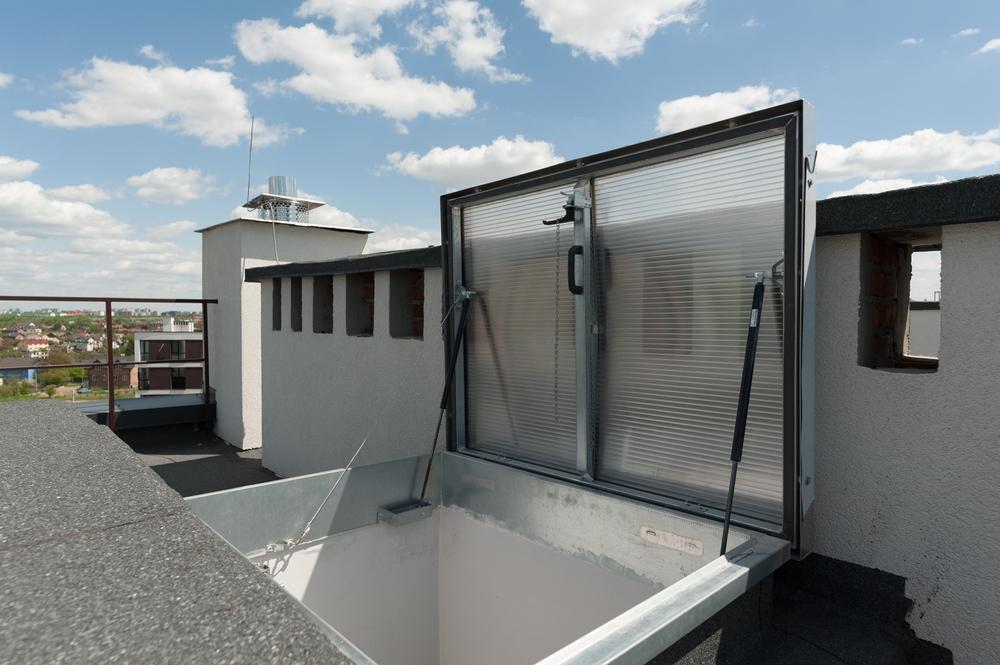
Regular roof hatch maintenance keeps access points secure, clean, and dependable through changing weather and daily use. Small checks help spot loose hardware, worn seals, rust, and drainage issues before they grow. A simple routine also supports safer inspections and smoother building upkeep.
Throughout the year, the steps given below can help your roof hatch stay reliable and ready for regular service.
Inspect the hatch regularly
Check the roof hatch at scheduled intervals for visible damage, loose screws, cracked frames, rust spots, and worn components. Open and close the hatch several times to confirm smooth movement without unusual resistance or noise. Examine hinges, handles, locking parts, and surrounding surfaces for signs of wear. Early detection allows prompt repairs and helps prevent minor defects from affecting the entire unit. Keep inspection notes so maintenance teams can track recurring issues and monitor the condition of each component over time.
Clean the frame and drainage areas
Dirt, leaves, dust, and other debris can collect around the hatch frame and nearby drainage points. Remove buildup with a soft brush or suitable cleaning cloth, then clear drainage paths so rainwater flows away from the opening. Avoid harsh chemicals that may damage protective finishes or seals. Clean surfaces also make cracks, corrosion, and loose fittings easier to spot during future inspections. Give extra attention to corners and joints, where debris tends to collect and moisture may remain for extended periods.
Check seals and flashing
Inspect weather seals around the hatch for cracks, gaps, hardening, or visible deterioration. Damaged seals allow moisture and outdoor air to enter the building, which may affect the area below. Examine the flashing around the frame for lifted edges, corrosion, or gaps that could allow water infiltration. Replace worn sealing materials with products suited to the hatch design. Proper sealing supports weather resistance and helps protect nearby roofing materials from moisture related damage.
Lubricate moving components
Hinges, springs, latches, and other moving parts benefit from suitable lubrication at regular service intervals. Apply the manufacturer recommended lubricant in small amounts and wipe away excess material. Too much lubricant attracts dust and debris, which may interfere with smooth operation. Test the hatch after lubrication to confirm consistent movement and secure closure. If a component remains stiff, noisy, or difficult to operate, arrange a professional inspection before the issue becomes harder to resolve.