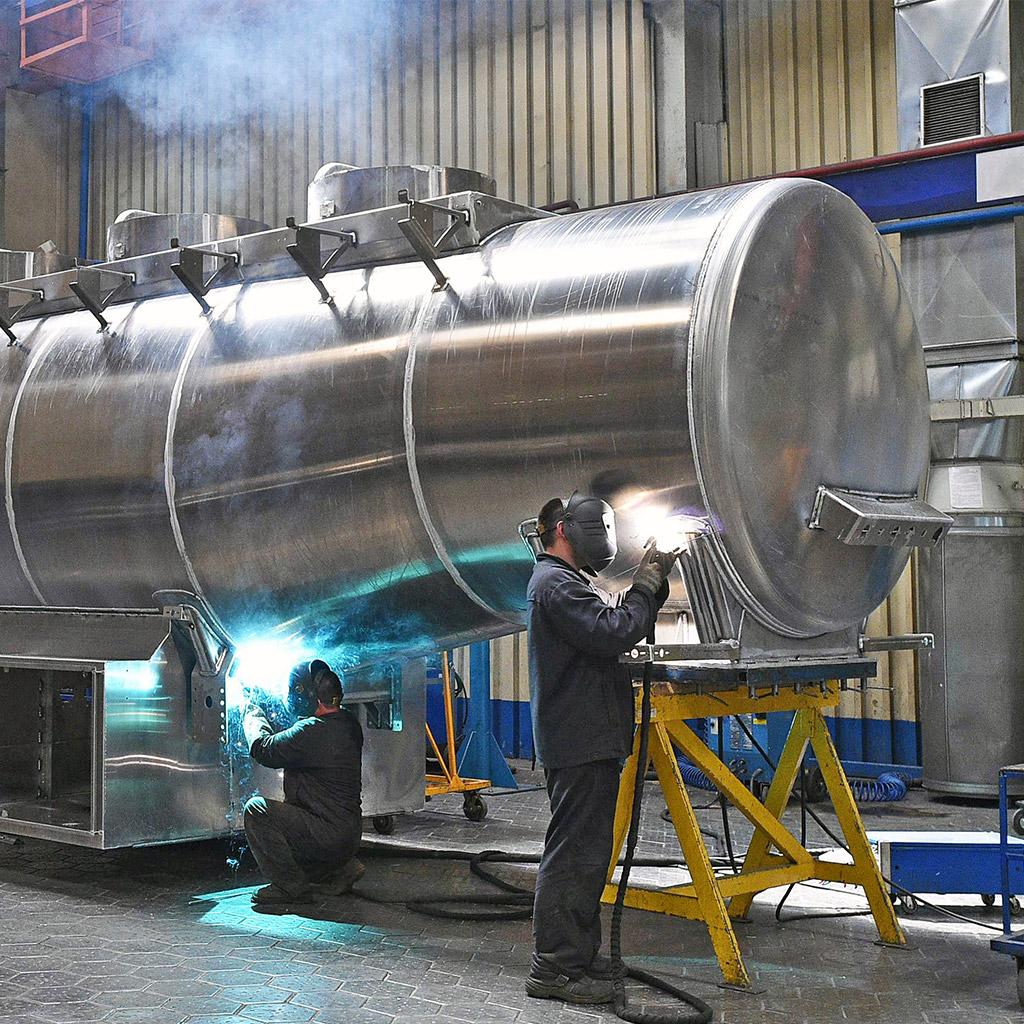
Reliable generator operation starts with knowing how long the fuel supply can last. Fuel usage, load level, and tank size all affect the running time of a generator during daily operations or power failures. A simple calculation helps estimate the hours available before refueling becomes necessary. The right information about fuel consumption and storage capacity makes managing a diesel tank for generator much easier.
Understanding the basic runtime formula:
The main formula for calculating generator runtime is simple: divide the fuel capacity by the fuel consumption rate. For example, if a generator has a 100 gallon tank and uses 5 gallons per hour, the expected runtime is around 20 hours. This calculation gives a general estimate based on steady operation. The actual runtime can change depending on the electrical load connected to the generator. A generator working at full capacity will consume fuel faster than one operating with a lighter load.
Checking fuel consumption rates:
Every generator model has a different fuel consumption rate. This information is usually listed in the equipment manual or provided by the manufacturer. Some units may use a small amount of fuel during low demand periods but require a higher supply when powering heavy equipment. Recording fuel usage during regular operation can also help create a realistic runtime estimate.
Considering operating conditions:
Temperature, maintenance condition, and workload can affect fuel efficiency. A well maintained generator usually performs better and uses fuel at a steady rate. Dirty filters, engine problems, or excessive loads can increase fuel consumption. Storage conditions also matter. Keeping the fuel system clean and protected helps maintain reliable performance when the generator is needed.
Planning fuel requirements:
Knowing the expected runtime helps prevent unexpected shutdowns. Businesses, facilities, and remote locations can arrange refueling schedules based on actual power demands. This reduces interruptions and keeps essential equipment running smoothly. A larger tank does not always mean longer operation if fuel usage is high. The best setup comes from matching tank capacity with generator output and expected usage patterns.
Keeping accurate runtime records:
Regular monitoring improves future fuel estimates. Recording tank levels, operating hours, and fuel additions creates useful data for maintenance decisions. These records also help identify changes in performance that may require inspection.
Calculating runtime based on capacity is a practical way to manage generator fuel needs. With accurate measurements and routine checks, operators can maintain dependable power supply and avoid unnecessary delays.