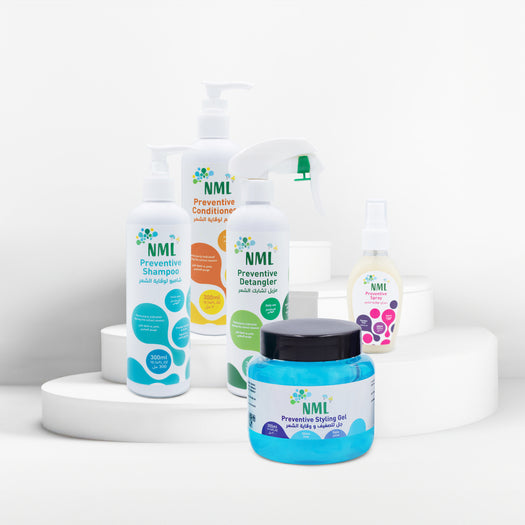
Not every lice treatment suits every child, and choosing the wrong product can leave parents dealing with an infestation that refuses to clear. Ingredients, age recommendations, application time, treatment frequency, and potential skin irritation all matter when selecting a product for young children.
This article covers the key factors parents should consider when buying anti lice shampoo for kids and choosing a treatment that suits their child’s needs.
Check the child’s age
Age guidance sits near the front of lice shampoo labels. Parents should choose a product that clearly suits the child’s age group. Some treatments suit older children but remain unsuitable among younger kids. Reading the active ingredient and dosage directions helps parents avoid guesswork. A pharmacist or pediatrician can clarify product suitability when the label leaves uncertainty.
Read the active ingredients
Lice treatments use different active ingredients, and each ingredient follows its own directions. Parents should check the label before mixing products or repeating an application. Extra shampoo does not make treatment stronger and may increase scalp irritation. Parents should check previous treatment details so they avoid products with overlapping ingredients.
Check the treatment instructions
Lice shampoo works properly when parents follow label instructions closely. Application time matters, and rinsing too soon may reduce effectiveness. Some products require dry hair, while others require wet hair. Parents should follow the stated amount, timing, rinsing steps, and repeat schedule. A fine-toothed lice comb helps remove live lice and nits after treatment.
Watch the scalp and skin
A child’s scalp may react to an ingredient, so parents should watch signs of redness, burning, swelling, or itching after application. Mild irritation may occur, but significant discomfort deserves prompt medical advice. Parents should keep shampoo clear of the eyes and mouth and rinse the area with water after contact.
Know when to seek advice
Persistent live lice after proper treatment may signal an application problem, reinfestation, or resistance. Parents should inspect the hair and scalp before applying another product. A healthcare professional or pharmacist can suggest the next step. Treating close household contacts helps reduce repeat spread, while regular combing helps remove remaining lice and nits.
Choosing lice shampoo involves several factors before picking a bottle. Age guidance, active ingredients, treatment directions, scalp reactions, and follow-up care all deserve attention. Parents who read labels carefully and follow each instruction give children a safer, more informed treatment experience.