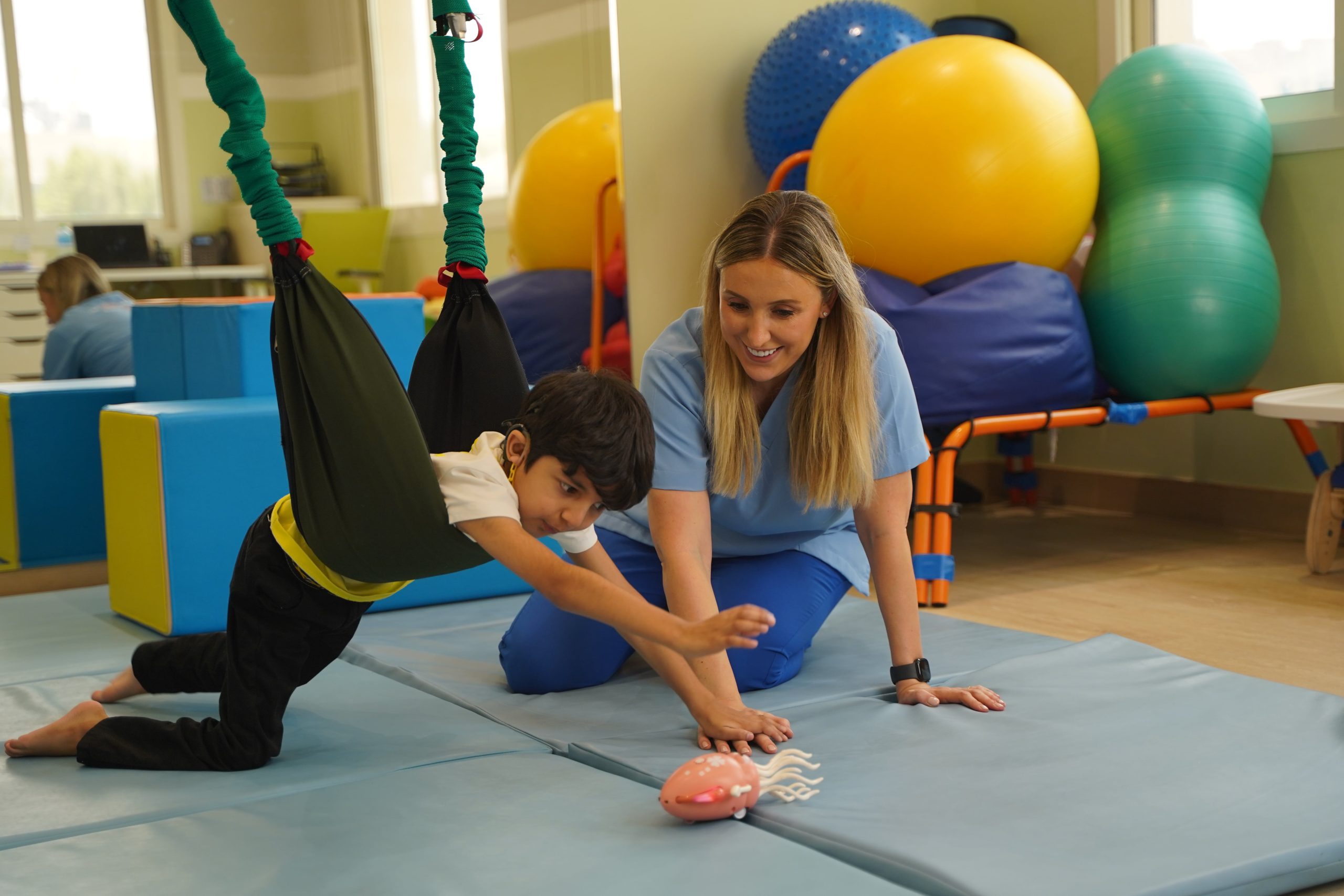
Children grow and learn at different speeds, and some children experience delays with movement, speech, play, self-care, or social skills. Early support helps children build useful skills for daily life. An occupational therapist works closely with children and families, offering practical activities that support growth. With guidance from an occupational therapist Dubai, children gain skills that support greater independence at home, school, and during play.
Understanding developmental delays
Developmental delays may affect several areas of a child’s daily life. A child may struggle to hold a pencil, use scissors, get dressed, feed, sit properly, or join group activities. Some children also have trouble with balance, coordination, attention, or sensory responses. An occupational therapist first looks at the child’s current abilities and daily challenges. The therapist also talks with parents and teachers to gain a clear picture of the child’s routines and behavior.
Building movement and coordination
Fine and gross motor skills support many childhood activities. Therapists use games and exercises that help children improve hand strength, balance, coordination, and body control. Activities such as stacking blocks, drawing, catching balls, climbing, or using play tools make practice enjoyable. These activities help children perform everyday tasks with greater control. Regular practice also supports classroom activities such as writing, cutting, coloring, and handling school supplies.
Supporting sensory skills
Some children respond strongly to sounds, textures, movement, lights, or touch. Others seek extra sensory input during daily activities. Occupational therapists introduce suitable sensory activities that help children manage these responses. A therapist may use swings, textured objects, movement games, or calming activities based on the child’s individual needs. These sessions help children take part in home and school routines with greater comfort.
Improving daily living skills
Occupational therapy also focuses on practical skills. Children practice eating, dressing, brushing teeth, washing hands, using the toilet, and organizing personal items. Therapists break tasks into simple steps and give children repeated practice. Parents receive useful ideas for practicing these skills at home. Consistent routines give children regular chances to apply their new abilities.
Supporting learning and classroom skills
School tasks require attention, hand control, posture, and organization. Occupational therapists work on skills that support classroom participation. They may help children improve pencil grip, handwriting, seating posture, focus, and task completion. Therapists may also suggest simple classroom adjustments that support comfortable learning. Teachers and parents can use these suggestions during daily routines.